Unlock the True Secret of the Great Pyramid
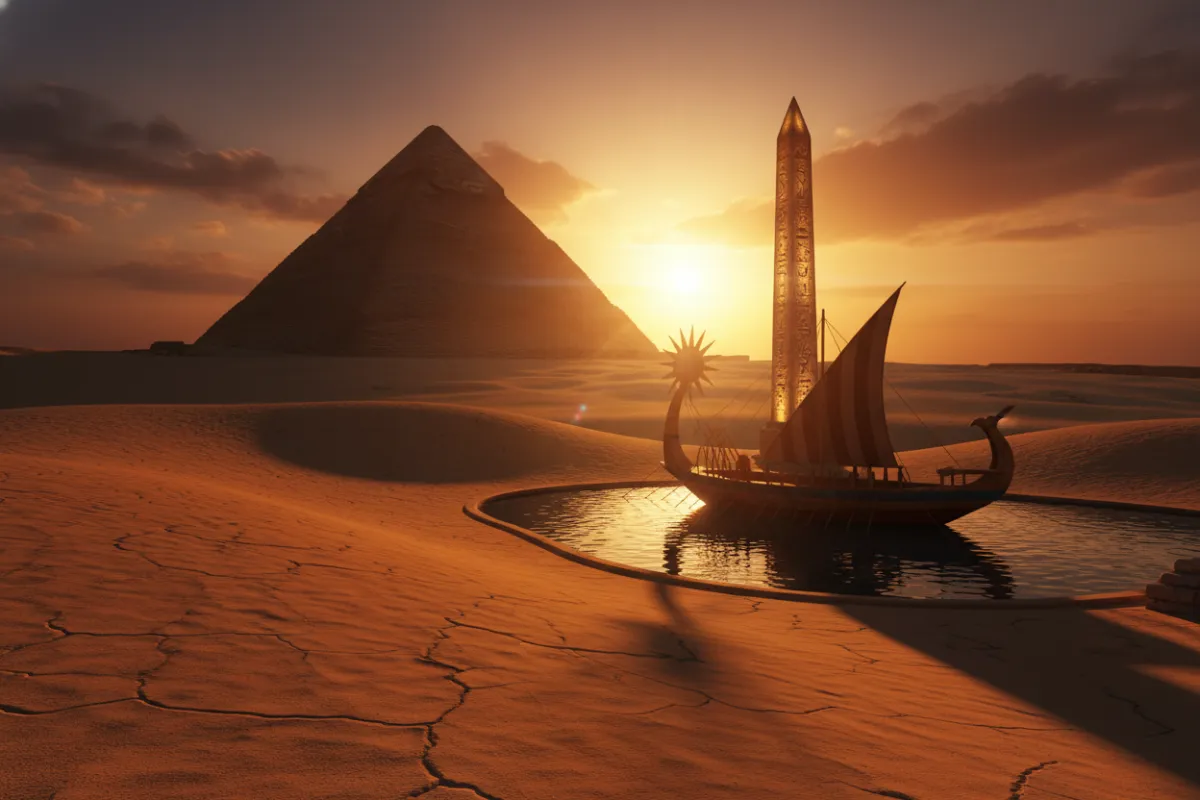
How the Great Pyramid Was Really Built — A new, evidence-based theory using cast stone chemistry, Steam, hydraulic engineering, and Khufu’s boats.
Meet Awny Sidhom
Independent Egyptian researcher blending engineering, chemistry and on-site Egyptology.
Awny Sidhom is an independent Egyptian researcher and engineer who has studied the Giza plateau, Khufu’s subterranean chamber, and the solar boats for decades.
He combines civil-engineering reasoning, experimental chemistry, and careful field observation to present a step-by-step, evidence-based construction theory.
Proud to be an Egyptian — sharing a new vision of our ancient achievements.
Why the Old Theories Don’t Add Up
Common explanations leave key questions unanswered.
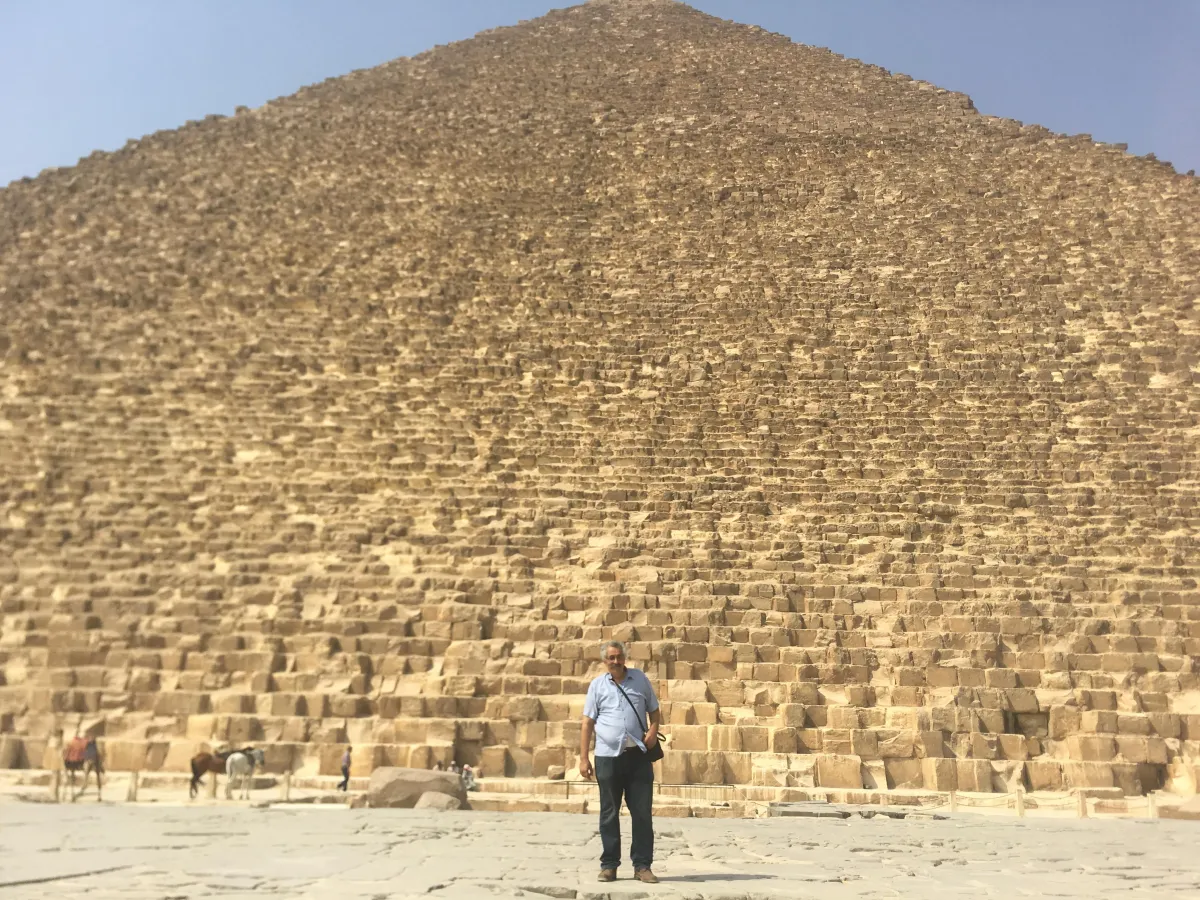
Ramps, mass slave labor, and speculative claims fail to account for stone counts, timing, and the logistics of precise finishes. Technical constraints remain unexplained.
- Ramp theories: impractical stone movement and footprint issues
- Slave labor models: timing and organization contradictions
- Mystical/alien ideas: no testable engineering evidence
How the New Theory Was Born
Awny’s timeline from curiosity to experimental evidence.
Step 1: Initial Fascination
A lifelong fascination with Giza’s odd subterranean chamber and passage geometry prompted close study of on-site anomalies.
Step 2: Textual Clues
Studying ancient texts such as the Book of Caverns revealed references that interpreted as descriptions of ‘onion stone’ and material recipes.
Step 3: Casting Realization
Evidence suggested limestone and granite could be cast in forms — advanced natural chemistry creating hard, exactly-shaped blocks underwater.
Step 4: Industrial Reinterpretation
Key Giza features reinterpreted as mixing tanks, kilns, high-pressure water lines and pulse pumps — an industrial-scale production line.
Step 5: Boat & Obelisk Function
Investigating Khufu’s boat burials led to the view that they functioned as massive water tanks and lifting shadoofs for a tower-crane system.
Step 6: Scaling the Model
With casting and tower-crane systems combined, the model accounts for 2.3 million blocks built within years using organized teams, not slaves or myths.
How the Theory Works — Visual Overview
Five core pillars, explained simply and visually.
Casting the Stones
Onion-stone chemistry: natural binders and thermal processes that create usable stone blocks.
Pulse Pump & Forming
Subterranean pulse pumps and forming cones extruded hot stone mixtures into precise forms underwater.
Water Jet Cutting
High-pressure water flows and shafts used for final cutting and finishing where needed.
Boat Tanks & Obelisks
Khufu’s boats — acting as water tanks and shadoofs — paired with obelisks to lift heavy stones as a crane system.
5-Year Timeline
A plausible organized production timeline shows a pyramid built in years through continuous staged processes.
Choose Your Path into the Mystery
Four volumes covering purpose, method, chemistry and cranes — plus a complete bundle.
Vol I - King's Soul
Purpose & royal journey
Explains the pyramid's purpose, royal rites and the king's journey, presenting evidence of engineered construction
- Answers: Why build the pyramid?
- Best for: general readers
- Includes: historical context
$24.99
Vol II - Arabic
Simplified Arabic edition
A concise Arabic edition explaining the construction method plainly, with illustrations and clear diagrams
- Answers: Quick how-to in Arabic
- Best for: Arabic readers
- Includes: clear diagrams
$19.99
Vol III - Onion Stone
Chemistry & casting details
Detailed engineering and experiments on casting limestone and manufacturing stone blocks using ancient-like chemical processes
- Answers: How stones were cast
- Best for: engineers & chemists
- Includes: lab-style diagrams
$29.99
Vol IIII - Solar Boats
Tower-crane & lifting system
How Khufu's solar boats and obelisks functioned as giant water tanks and cranes to lift heavy blocks with hydraulic advantage
- Answers: How 70-ton blocks moved
- Best for: builders & guides
- Includes: production diagrams
$29.99
Get the Complete Mystery of the Pyramids Series
- Full story from purpose to chemistry to cranes
- Step-by-step evidence and illustrations
- Special bundle pricing
$79.99 (Bundle)
Sample Pages — Inside the Books
Diagrams, production drawings and simplified storytelling samples.
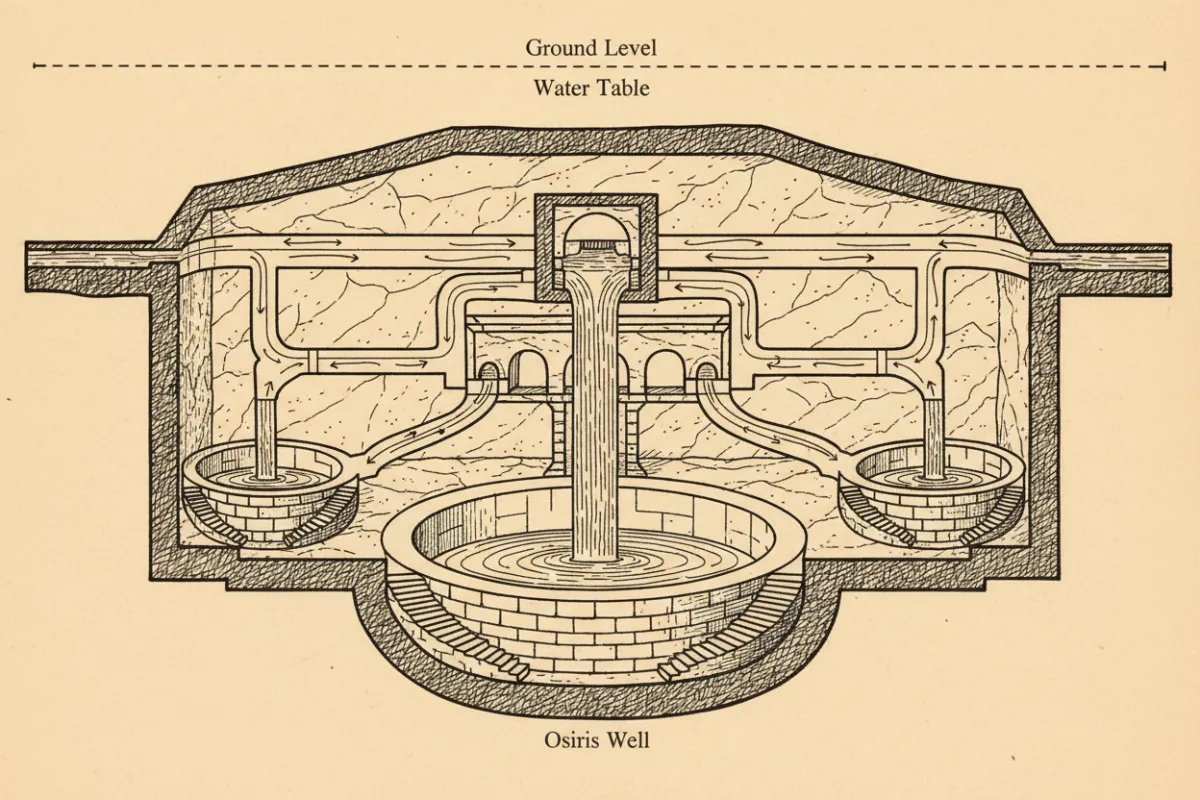
From the subterranean chamber diagrams (Vol. III)
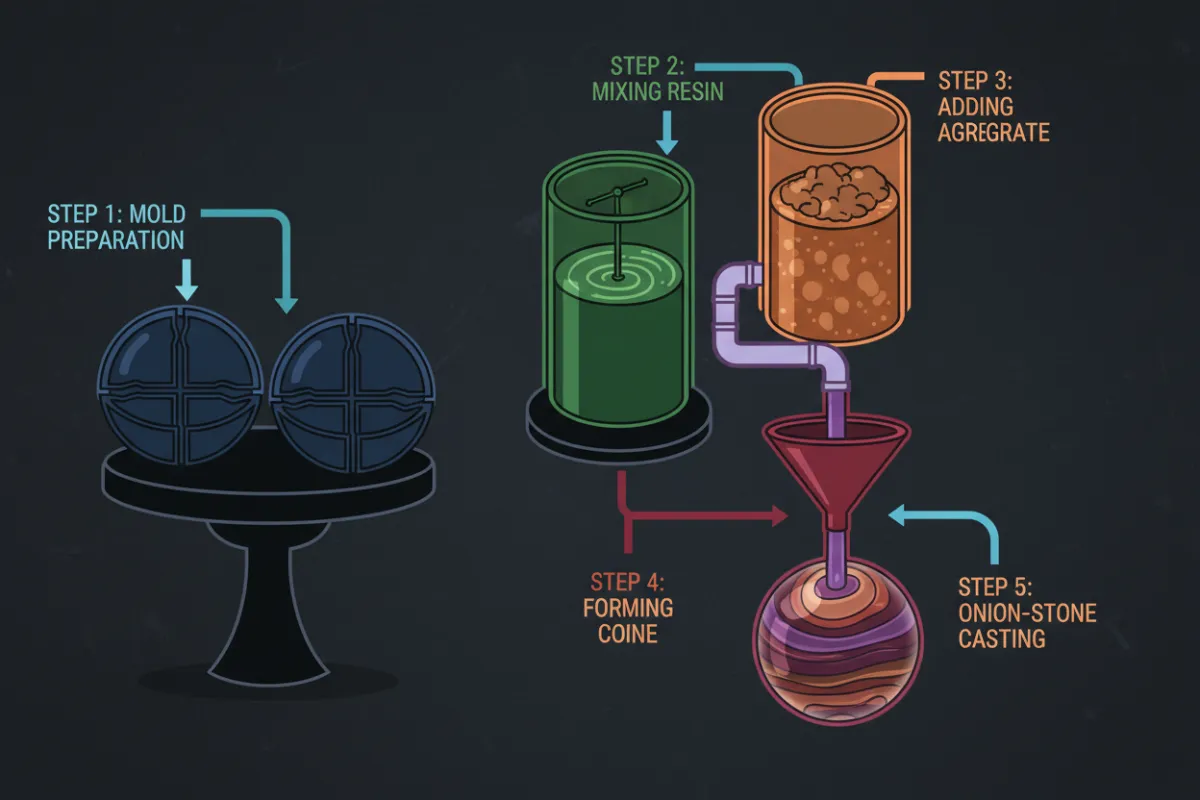
Casting and production line illustrations (Vol. III)
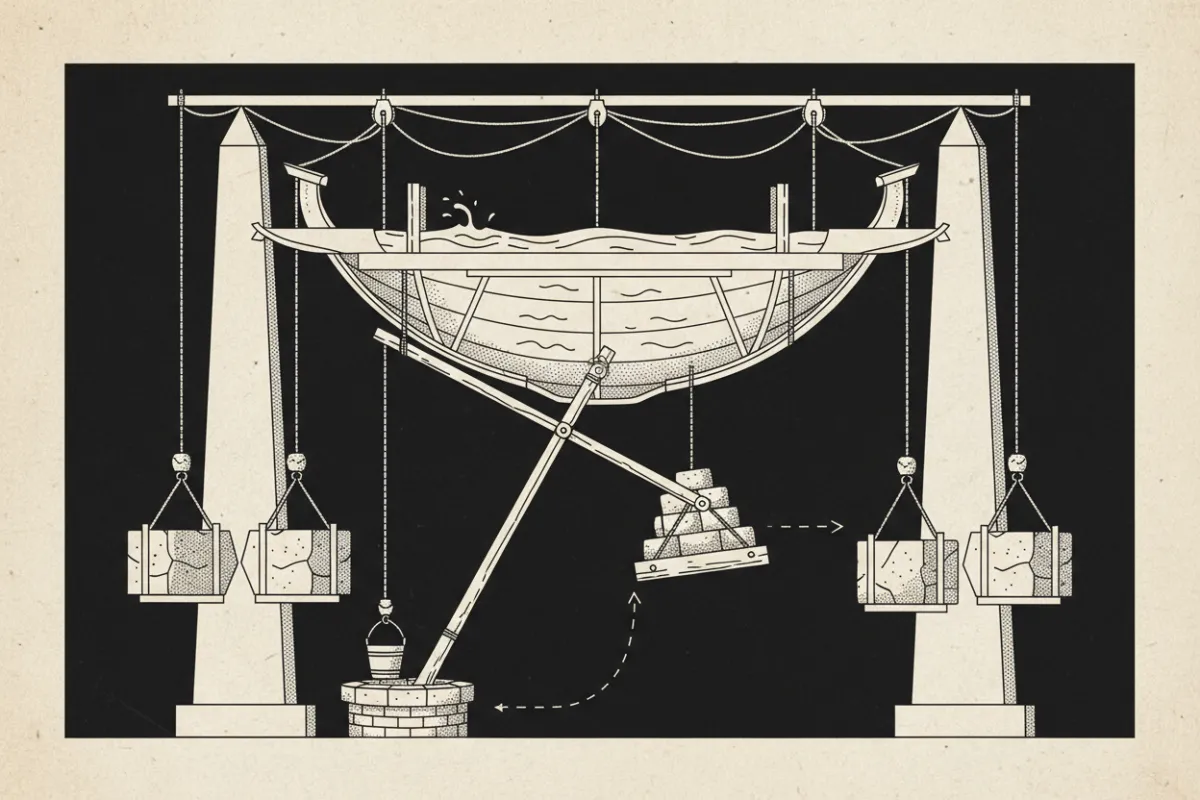
Boat-as-crane visuals (Vol. IIII)
Who These Books Are For
Readers who want an evidence-based, readable explanation.
History & archaeology lovers
Engineers & students
Teachers, tour guides & families
What Readers & Colleagues Say
Placeholder endorsements you can replace later.
“This is the first explanation of the Great Pyramid that truly made sense to me as an engineer.”
Engineering Reviewer
Civil Engineer
“A clear, surprising read that combines careful observation with plausible mechanics.”
Academic Reader
Independent Scholar
“Finally a version of the pyramid story that respects Egyptian ingenuity.”
Cultural Commentator
Tour Guide
Frequently Asked Questions
Answers that reassure readers about the method and accessibility.
Is this theory against mainstream Egyptology?
No. It builds on field evidence and offers new engineering interpretations while respecting established scholarship.
Do I need a scientific background to understand the books?
No. Complex ideas are explained in simple language with illustrations and clear examples.
Are there illustrations and diagrams?
Yes — the books include detailed diagrams, production drawings and simplified story-style illustrations.
What language are the books available in?
Volumes I, III and IIII are in English; Volume II is a simplified Arabic edition.
Where can I buy digital vs. print versions?
Both print and digital options are available via the store links; formats and shipping info are shown on each product page.
Is this a religious or spiritual theory?
The series explains historical and engineering evidence. Spiritual topics appear only as context regarding ancient practices.
How is this different from 'aliens built the pyramids' theories?
This theory uses testable chemistry, engineering models and site-based observations — not speculative or supernatural claims.
Will this change how I experience Giza?
Many readers report a renewed sense of awe after seeing the engineering possibilities laid out step by step.
Can educators use this in classrooms?
Yes — there are simplified sections and diagrams specifically adapted for teachers and younger readers.
Is the Arabic edition the same as the English volumes?
Volume II is a simplified Arabic explanation summarizing the construction method with diagrams tailored for Arabic readers.
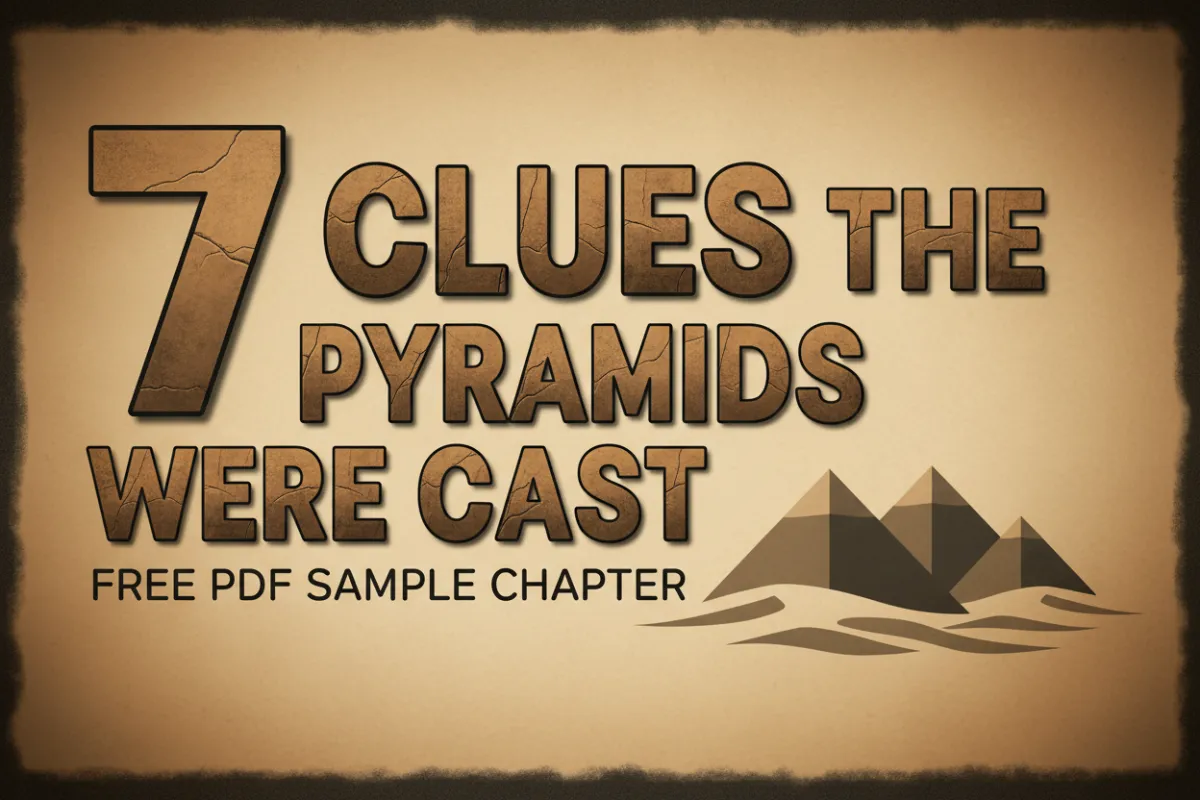
Get a Free Sample Chapter
Download: “7 Clues the Pyramids Were Cast, Not Carved.”
Sign up to receive a free sample chapter plus occasional updates about new research, videos and book releases.
Contact & Final Steps
Questions, media inquiries, and follow-up
Ready to solve the mystery? Get the books now — link above.